
How to Make Fine Hair Look Fuller

Amara Whitfield
2026-10-20 · 3 min read
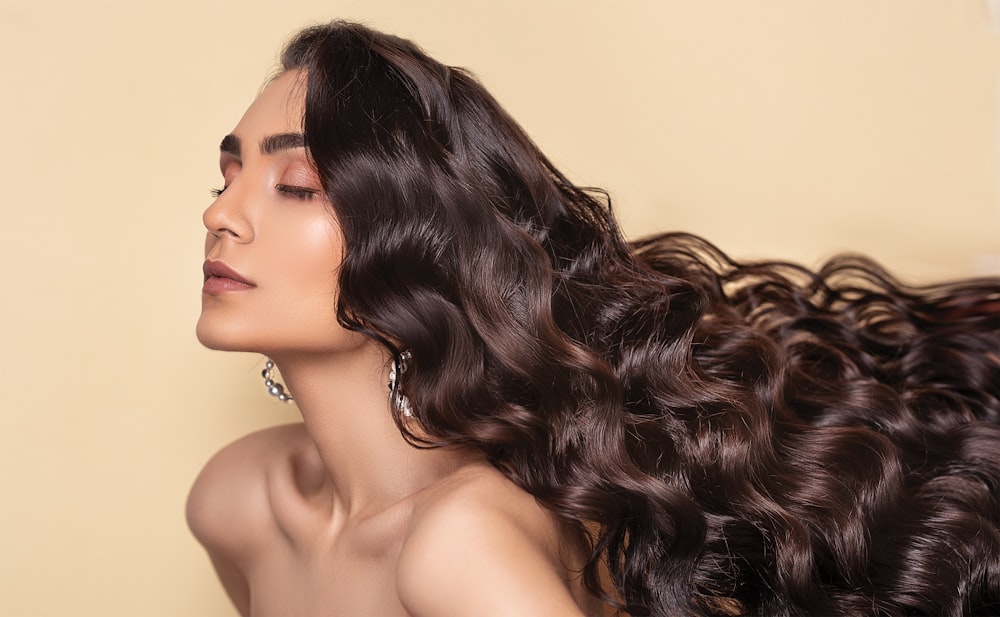
Fine hair often gets mistaken for thin hair, but they are not the same thing. Fine hair refers to the diameter of each strand, which means it can be plentiful yet still fall flat. The goal is not to overload it with product or rough it up into damage. The goal is to create internal support, controlled texture and movement that lasts through the day.
Start with the cut, because no styling routine can fully compensate for collapsed shape. Fine hair usually looks fuller with blunt or softly textured ends, rather than excessive layering that removes too much density. If the hair sits at the shoulders and flicks weakly, consider taking it slightly shorter to regain shape and bounce. Face framing should be minimal and deliberate, with weight preserved through the perimeter.
Wash day sets the tone for everything that follows. Use a lightweight shampoo that cleans the scalp thoroughly, then apply conditioner only from mid lengths to ends, keeping it sparse and well rinsed. Once a week, use a clarifying wash if the hair is prone to limpness from residue, especially after dry shampoo, oils or heavy masks. Fine hair responds best when the scalp is fresh and the roots are not coated.
Preparation matters more than piling on styling products after the fact. Blot the hair with a towel until damp, then apply a root lifting spray or light mousse through the crown and sides, focusing on the first few inches from the scalp. Comb through with a wide tooth comb so the product is evenly distributed, because concentrated patches can make fine hair separate and look stringy. If the ends are dry, smooth a pea sized amount of lightweight cream only onto the last few centimetres.
When blow drying, lift the roots in the opposite direction to where the hair will finally sit. Use medium heat and a nozzle, directing airflow from roots to ends while working in small sections with a round brush or vent brush. Once each section is dry, pin it loosely or let it cool over the brush for a few seconds, because fine hair holds shape far better after cooling. Finish by parting the hair only when it is fully dry, since changing the part too early can flatten the crown.
For styling on non wash days, avoid the common mistake of adding more and more product. Instead, refresh volume by misting the roots lightly with water or a spray designed for restyling, then use a dryer for one or two minutes while lifting with your fingertips. Dry shampoo works best as a preventive step at bedtime, not as a rescue after the roots are already oily. A quick pass with a heated brush or large barrel tong through the top layers can restore bend and body without forcing the hair into tight curls.
To keep fine hair looking full over time, trim every eight to ten weeks and be selective with treatments. Rich masks and oils have their place, but use them sparingly, no more than once a week unless the hair is coloured or especially porous. Silk pillowcases, loose overnight styling and gentle detangling all help preserve lift by reducing breakage and static. Fullness comes from consistency, a clean scalp, a supportive cut and styling choices that respect the nature of fine strands.
“Fullness in fine hair comes from support, not heaviness.”
Want advice tailored to your hair?
Message a certified senior stylist for personalised guidance. A consultation lasts a maximum of 10 minutes, most just a few minutes.